Indian HR teams are under unprecedented pressure. Talent competition in Bengaluru, Hyderabad, and Pune is intense. Time-to-hire for technical roles at Indian companies stretches to 45-60 days on average. Onboarding quality directly impacts 90-day retention — a metric that Indian HR leaders are increasingly measured on. And through all of this, HR teams are expected to do more with the same or fewer resources.
Artificial intelligence offers Indian HR professionals a genuine solution to these pressures — not by replacing human judgment in hiring, but by automating the repetitive, time-consuming steps that currently prevent HR teams from focusing on the high-value activities that actually require human insight: cultural assessment, negotiation, relationship building, and employee development.
AI in Indian Recruitment: Screening and Shortlisting
Resume screening is the most time-consuming step in Indian recruitment — and often the most inconsistent. A busy HR manager reading 200 resumes for a software developer role in Bengaluru will inevitably have different attention levels for resume 1 versus resume 150. AI screening tools read every resume with the same consistency and apply the same criteria across all candidates.
Platforms like Keka HR, Darwinbox, and international tools like Greenhouse and Lever now offer AI-powered resume screening that can process hundreds of applications in minutes, scoring each candidate against defined criteria and flagging the top matches for human review. For Indian companies hiring at scale — particularly in IT services, BFSI, and manufacturing — this screening automation reduces time-to-shortlist from days to hours.
Automated initial outreach is equally valuable. When a candidate applies on Naukri, LinkedIn, or your careers page, an AI-powered ATS (Applicant Tracking System) can immediately acknowledge receipt, share initial information about the role and process, and schedule a preliminary screening call or send an assessment — all within minutes of application, compared to the days-long response gap that is common in Indian recruitment today.
AI-Powered Candidate Assessment for Indian Hiring
Beyond resume screening, AI tools are now used for objective skills assessment. For technical roles, platforms like HackerEarth, HackerRank, and iMocha provide AI-proctored coding assessments used widely by Indian IT companies. These tools not only administer assessments but use AI to detect academic dishonesty, analyse code quality beyond pass/fail, and provide detailed competency reports that help Indian hiring managers make more informed shortlisting decisions.
For non-technical roles, AI-powered video interview platforms like HireVue and Indian alternatives like Interview Mocha use natural language processing to analyse candidate responses for communication clarity, role-specific competencies, and structured scoring. While the use of AI in video interviews requires careful governance (to avoid algorithmic bias), these tools can significantly reduce the time Indian panel interview coordinators spend watching initial screening videos.
AI Onboarding Automation for Indian Companies
| Onboarding Step | AI/Automation Approach | Impact |
|---|---|---|
| Pre-joining document collection | Digital document portal with AI verification | Eliminate first-day paperwork delays |
| IT access provisioning | Automated ITSM integration triggers | Day-1 ready workstations |
| Compliance training | AI-paced LMS with completion tracking | Consistent policy understanding |
| HR FAQ resolution | WhatsApp chatbot for new joiner queries | 24/7 query resolution without HR workload |
| 30/60/90 day check-ins | Automated survey triggers with AI sentiment analysis | Early identification of at-risk joiners |
WhatsApp-Based AI Onboarding in India
Given the ubiquity of WhatsApp in India, several Indian HR tech companies have built onboarding automation that operates entirely through WhatsApp. New joiners at Indian companies using platforms like Leena AI, HRMS providers with WhatsApp integration, or custom WhatsApp Business API flows receive a WhatsApp message on their first day with a welcome from the company, links to onboarding materials, and the ability to ask HR policy questions via a conversational AI bot.
This approach is highly effective for Indian companies with frontline workforces — manufacturing workers, retail staff, logistics personnel — who are unlikely to use a laptop-based HR portal but are comfortable with WhatsApp. AI-powered WhatsApp onboarding has helped Indian FMCG and logistics companies dramatically reduce early attrition by ensuring new employees feel informed and supported from their first day.
Ethical AI Hiring in India: Avoiding Bias
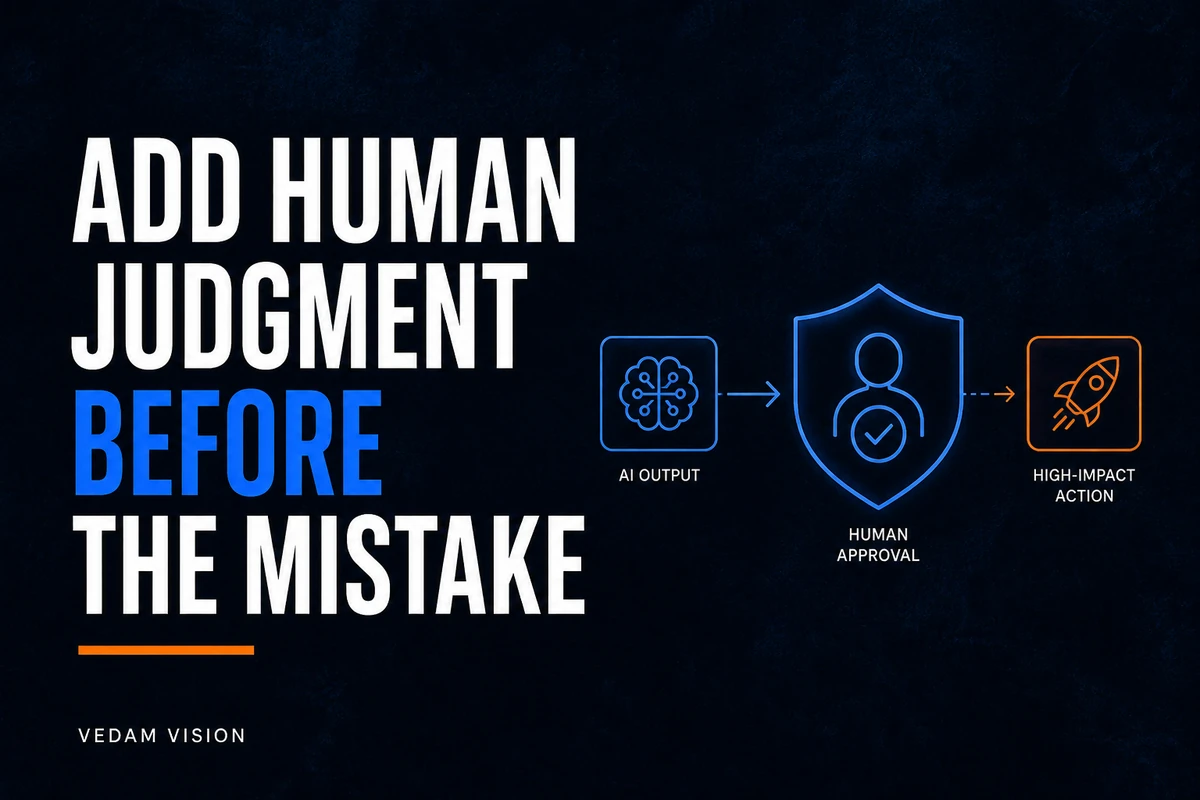
AI hiring tools carry risks of encoding or amplifying bias if not implemented carefully. Indian HR teams deploying AI recruitment tools should: audit AI screening criteria regularly for unintentional bias against gender, age, college tier, or regional background; maintain human oversight for all shortlisting decisions rather than fully automating them; test AI tools for disparate impact across candidate demographics; and comply with India equal opportunity employment laws even when AI tools are making preliminary assessments.
The goal of AI in Indian recruitment is to make the process more consistent and efficient — not to remove human judgment from consequential hiring decisions. Always maintain a human-in-the-loop for final hiring decisions.
For more on building effective Indian business systems, read our digital marketing strategy guide and our content marketing strategy for Indian businesses.
Frequently Asked Questions
What are the most popular AI HR tools used by Indian companies in 2026?
Leading HR technology platforms in India with strong AI capabilities include Darwinbox (Hyderabad-based, used by 850+ Indian enterprises), Keka HR (Hyderabad-based, popular with Indian SMEs), Zoho People with AI features, Leena AI for HR chatbots, and HackerEarth/HackerRank for technical assessment automation. International platforms like Workday and SuccessFactors are used by large Indian MNCs and public companies.
How can small Indian businesses use AI in recruitment without expensive enterprise tools?
Small Indian businesses can use a combination of affordable tools: LinkedIn Talent Solutions for sourcing and InMail automation, Internshala Recruiter for campus and fresher hiring with automated filters, Google Forms with Zapier for application collection and automated acknowledgement, HackerEarth for free technical assessments (up to a certain volume), and simple WhatsApp Business messaging for candidate communication automation. These tools together provide substantial AI-powered recruitment capability at a fraction of enterprise platform costs.
Will AI replace Indian HR professionals?
AI will automate the transactional and administrative parts of Indian HR work — paperwork processing, scheduling, policy FAQ responses, compliance tracking. It will not replace the human elements that define great HR: building trust with employees, navigating complex interpersonal situations, shaping company culture, managing organisational change, and making judgment calls in ambiguous situations. Indian HR professionals who develop AI proficiency alongside their human skills will be more valuable, not less.
How do I measure ROI of AI in Indian recruitment?
Measure the following before and after AI implementation: time-to-hire (days from job posting to accepted offer), time-to-shortlist (days from application to shortlist), cost-per-hire (including HR time valued at hourly rates), 90-day retention of new hires (if onboarding AI is deployed), and HR team time spent on administrative versus strategic activities. A well-implemented AI recruitment stack should reduce time-to-hire by 30-50% and cost-per-hire by 20-40% for most Indian companies.
Are AI assessment tools reliable for screening Indian engineering and IT candidates?
AI-powered technical assessments from platforms like HackerEarth, HackerRank, and iMocha are widely used by Indian IT companies and have strong track records for screening coding competencies. They are generally reliable for assessing specific technical skills (data structures, SQL, Python). However, they are less effective for assessing problem-solving approach, communication ability, and cultural fit — which require human interviewer judgment. Use AI assessments as screening filters, not as the sole determinants of technical hire/no-hire decisions.