How to Build a Sales Funnel That Works While You Sleep

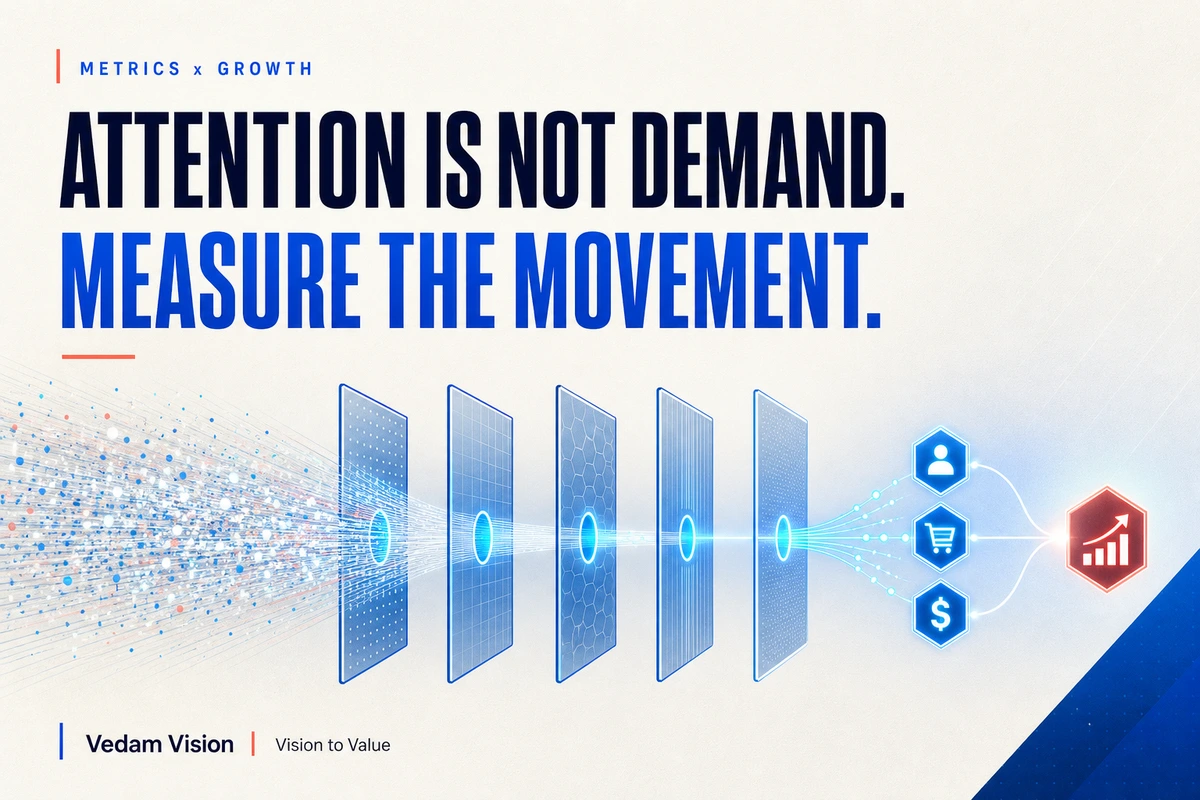
A sales funnel is the structured path that turns a stranger into a paying customer. When built correctly, a sales funnel works continuously — generating leads, nurturing prospects, and converting customers even while you're sleeping, on weekends, or on holiday. The alternative: manual follow-up with every prospect, personally, every time. Most businesses live in the second mode and wonder why growth feels so exhausting.
This guide explains what a sales funnel is, how to build one for your specific business, and how to automate the parts that don't require personal attention.
The Four Stages of a Sales Funnel
| Stage | Audience State | Goal | Key Tool |
|---|---|---|---|
| Awareness | Don't know you exist | Get discovered | SEO, ads, social media |
| Interest | Know you exist, mild interest | Capture contact and begin nurture | Lead magnet, email opt-in |
| Consideration | Evaluating you vs. alternatives | Build trust and demonstrate value | Email sequence, case studies |
| Decision | Ready to buy, choosing provider | Convert to customer | Strong offer, CTA, call |
Building the Awareness Stage
Your awareness stage is how prospects discover you. The goal is to appear where your ideal customers are looking when they have the problem you solve:
- Organic search (SEO): Blog posts targeting keywords your prospects search before buying. This builds a continuously generating awareness engine.
- Paid search (Google Ads): Appear at the moment of high intent — when someone actively searches for your solution.
- Social media: Consistent content on the platform where your audience spends time — organic reach plus targeted paid posts to extend it.
- Referral: Happy customers telling others — the highest-quality awareness source with the highest conversion rate.
The Interest Stage: Converting Visitors to Leads
Traffic without lead capture is wasted. The interest stage converts anonymous visitors into known contacts you can nurture:
- Lead magnet: A valuable free resource (guide, template, tool) that prospects trade their email to receive
- Free consultation offer: For service businesses, a no-obligation consultation converts high-intent prospects directly
- Newsletter with clear value proposition: "Get weekly marketing tips for Indian SMEs" — specific, not generic
- WhatsApp opt-in: For Indian audiences, a WhatsApp opt-in often converts better than email
The Consideration Stage: Automated Nurture Sequences
Most leads are not ready to buy immediately. The consideration stage nurtures the relationship over days and weeks until they're ready. This is where automation works hardest:
- Welcome sequence (days 1-10): Deliver the lead magnet, share your best content, present social proof, address primary objections
- Ongoing newsletter (weekly or bi-weekly): Continue providing value; stay top of mind
- Behavior-triggered emails: If a lead visits your pricing page but doesn't contact you, trigger an email: "Saw you were checking out our pricing — any questions I can answer?"
- Retargeting ads: Stay visible to leads who visited your site but haven't converted
The Decision Stage: Converting Leads to Customers
When a prospect is ready to decide, friction is the enemy. Remove every obstacle between interest and payment:
- Clear, specific pricing (vague pricing creates doubt)
- Easy booking or purchase flow (fewer steps = more conversions)
- Strong CTA with urgency where genuine (limited slots, time-sensitive offer)
- Final trust reinforcement: specific testimonial or case study near the conversion point
- Clear next step after conversion: what happens immediately after they sign up or pay?
Tools for Building Your Automated Funnel
- Email automation: Mailchimp, ConvertKit, or Brevo — all support automated sequences
- Landing pages: Your website, or dedicated tools like Unbounce
- CRM: Track leads through the funnel — HubSpot free tier, Zoho CRM, or even a Google Sheet for small businesses
- WhatsApp automation: Interakt, AiSensy, or WATI for automated WhatsApp sequences
- Retargeting ads: Meta Pixel and Google Ads remarketing
Frequently Asked Questions
FAQ
How long does it take to build a working sales funnel?
A basic functional funnel — lead magnet, landing page, welcome email sequence, and a clear conversion path — can be built in 2-4 weeks with focused effort. A sophisticated funnel with behavior-triggered sequences, A/B tested landing pages, and full CRM integration takes 2-3 months. Start with the simplest version that captures leads and nurtures them toward conversion. Then optimize based on data. A simple funnel that works beats a complex one that's still being built.
Do I need a sales funnel if my business runs on referrals?
Yes — a funnel makes your referral process more effective and adds additional acquisition channels alongside it. When a referred prospect visits your website, a good funnel captures their contact information if they're not ready to buy immediately, nurtures the relationship, and converts them when they are ready. Without a funnel, referred prospects who visit your website but aren't immediately ready often get lost. A funnel catches and nurtures them instead of losing them.
What's the most important part of a sales funnel?
The transition from awareness to lead capture — getting visitors to give you their contact information. Without this step, all your traffic is anonymous and unrecoverable. A strong lead magnet or offer that converts visitors to known contacts is the foundation everything else builds on. If your current conversion rate from visitor to lead is below 2%, improving this single step will improve every downstream metric simultaneously.
How do I know if my sales funnel is working?
Track conversion rates at each stage: what percentage of visitors become leads? What percentage of leads open your nurture emails? What percentage of email subscribers eventually become customers? What's the average time from first contact to first sale? Improving each stage by even 10-20% compounds into significant overall improvement. Most businesses find their biggest opportunity is at the awareness-to-lead stage — improving a 1% website conversion rate to 2% doubles the entire funnel output.
Can a small business with limited time build an effective automated funnel?
Yes, by starting small and simple. Minimum viable funnel for a service business: one lead magnet (a useful PDF guide), a simple opt-in page, a 3-5 email welcome sequence, and a clear consultation booking CTA at the end of the sequence. This can be built in a weekend using Mailchimp (free) and your existing website. Once it's running and generating a few leads per month, you can add complexity: more emails, retargeting ads, behavior triggers. The goal is functional, not perfect, as a starting point.