I have watched Indian retail transform more in the last three years than in the previous three decades. The kirana store owner who now takes orders on WhatsApp, the saree boutique that generates 40 percent of footfall through Instagram Reels, the electronics chain using Google inventory feeds to tell customers exactly which branch has the laptop they want - this is not the future of Indian retail. It is happening right now. Omnichannel marketing is about connecting these dots into a coherent customer experience.
The fundamental insight is simple: Indian consumers do not distinguish between online and offline. They search on Google while standing in a store aisle comparing prices. They discover a product on Instagram and drive to a physical shop to touch it before buying. They message a store on WhatsApp at 10 PM and pick up their order the next morning. Any brand that forces them to choose one channel over the other is leaking revenue to competitors that understand this blended reality.
A Chennai-based furniture retailer I consulted for was running separate online and offline operations with separate inventory, separate pricing, and separate customer databases. Online customers could not return items to the physical store. Store customers could not see online-only discounts. The result was confusion, customer frustration, and roughly Rs 18 lakhs in annual revenue lost to channel conflict. When they unified inventory and allowed cross-channel returns with a single customer view, their average basket size increased 22 percent within two quarters.
The Indian Omnichannel Opportunity in Numbers
India has over 12 million retail outlets - the highest retail density in the world. Only about 5 to 7 percent of total retail is currently online, even after the e-commerce boom. This means roughly 93 percent of Indian retail transactions still involve a physical component. Yet, and this is the critical number, 85 percent of purchase journeys now start with an online search, a social media discovery, or a WhatsApp conversation. The channel where the journey starts and the channel where money changes hands are increasingly different.
Google India reported in late 2024 that searches containing near me and nearby had grown 300 percent year-on-year. Indian consumers are actively looking for local stores - they just need to find you online first. The brands capturing this demand are those with complete, accurate Google Business Profiles, real-time inventory visibility in search results, and consistent pricing and product information across every touchpoint.
I have seen local jewelry stores in Jaipur double their monthly walk-ins by simply maintaining an updated Google Business Profile with current product photos, responding to every review within 24 hours, and posting weekly updates about new arrivals. This costs nothing beyond time and discipline. For deeper reading on location-specific strategies, I covered this in detail in our guide for Jaipur businesses but the principles apply across every Indian city.
Building the Omnichannel Tech Stack
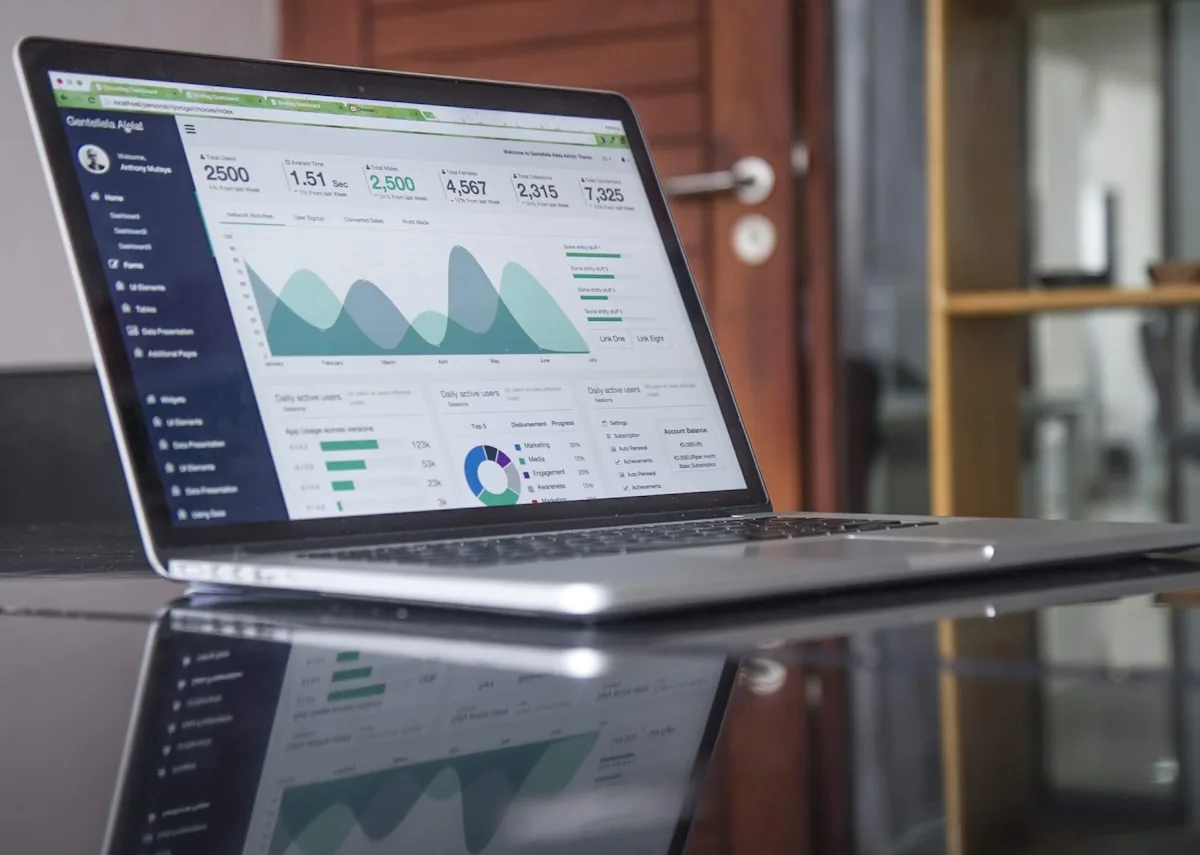
The technology behind omnichannel retail sounds intimidating but the essential pieces are manageable for most Indian retailers. You need four connected systems: a unified commerce platform that tracks sales and inventory across channels, a customer data platform or CDP that creates a single customer profile spanning online and offline behavior, a communications layer that reaches customers on their preferred channel, and an attribution system that measures cross-channel impact.
For retailers doing under Rs 5 crore annually, Shopify POS combined with Shopify's e-commerce backend covers the unified commerce piece. Add a WhatsApp Business API integration through Interakt or WATI for the communications layer. For customer data, start with Google Analytics 4 on your website combined with a CRM that tracks in-store purchases. For attribution, use unique coupon codes per channel and ask every in-store customer how they heard about you. Simple, manual, effective.
Inventory Visibility: The Make-or-Break Feature
The single most impactful omnichannel feature for Indian retail is real-time inventory visibility. When a customer searches for a specific phone model on Google and sees that your store has it in stock two kilometers away, the probability of a visit jumps dramatically. Google's local inventory ads, which show product availability at nearby stores directly in search results, are criminally underused by Indian retailers.
Setting this up requires connecting your inventory system to Google Merchant Center with a local product inventory feed. For retailers using modern POS systems, this is often a one-time setup. For those on older systems, a daily CSV upload to Merchant Center can serve as an intermediate step. I worked with a multi-brand electronics retailer in Mumbai that saw walk-ins increase 34 percent within sixty days of enabling local inventory ads, purely because customers stopped calling to check availability and started showing up.
Geo-Targeted Advertising for Store Traffic
Indian retailers waste enormous amounts of money on broad digital ads that reach people three hundred kilometers from their nearest store. Geo-targeting is the answer, and both Meta and Google now offer sophisticated tools for this. Meta's store traffic objective lets you target users within a specific radius of each store location, optimize for store visits rather than clicks, and measure results through store-visit reporting.
The sweet spot for Indian retail geo-targeting varies by category. For daily-need categories like groceries and pharmacies, a two-to-three-kilometer radius works best. For fashion and electronics, expand to five to eight kilometers. For furniture and automobiles, a fifteen-to-twenty-kilometer radius is appropriate. The key is to calculate the distance your average customer is willing to travel based on your actual transaction data, not intuition.
A Delhi-based clothing chain I consulted for was running city-wide Facebook ads for individual store promotions. By switching to three-kilometer radius geo-fenced campaigns around each of their seven stores, they reduced ad spend by 40 percent while maintaining the same store visit volume. The ads were simply more relevant to people who could actually act on them. This connects directly to marketing spend allocation principles - putting money where the geography makes the offer actionable.
WhatsApp as the Omnichannel Bridge
No channel bridges online and offline retail in India better than WhatsApp. It starts online - a customer sees a product on Instagram or your website. They message your WhatsApp Business number to ask about availability, price, or customization. The conversation moves to a personal shopping experience where a store associate sends photos, answers questions, and sets up a store visit or home trial. This is omnichannel retail without the expensive software.
The brands doing this well are not the biggest ones - they are the most service-oriented ones. A boutique saree store in Kolkata I studied generates 60 percent of its revenue through WhatsApp conversations that start with online discovery on Instagram or Pinterest and end with an in-person trial at the customer's home. The entire journey is tracked in a shared WhatsApp group between the customer and a dedicated relationship manager. No CRM, no fancy platform. But the experience is so personal and convenient that customers come back repeatedly and refer friends.
For businesses ready to scale this approach, WhatsApp Business API with chatbot integration can handle initial queries, collect basic information, and route complex questions to human agents. The economics are compelling: WhatsApp Business API messages cost Rs 0.45 to 1.20 per message in India, and a well-designed flow can convert 12 to 18 percent of inquiries into store visits. That is dramatically cheaper than most paid acquisition channels.
| Omnichannel Component | Tool/Platform | Monthly Cost (Approx) | Implementation Time | Difficulty Level |
|---|---|---|---|---|
| Google Business Profile | Google My Business (free) | Free | 2-4 hours | Easy |
| WhatsApp Business Catalog | WhatsApp Business App (free) | Free | 3-5 hours | Easy |
| Local Inventory Ads | Google Merchant Center | Ad spend + setup | 2-3 weeks | Medium |
| Geo-Fenced Meta Ads | Meta Ads Manager | Ad spend only | 1-2 days | Medium |
| Unified POS + E-Commerce | Shopify POS / Petpooja / Vyapar | Rs 1,500-8,000 | 2-4 weeks | Medium-Hard |
Attribution in the Omnichannel World
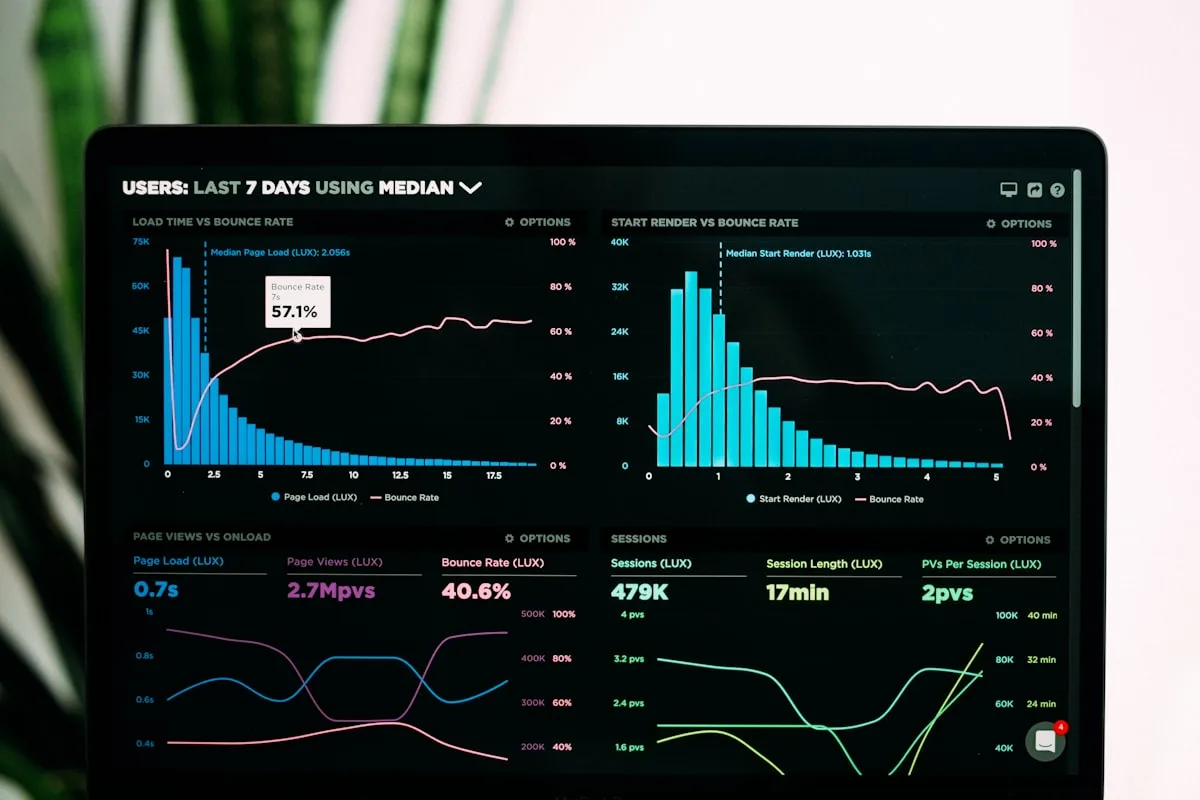
Measuring omnichannel marketing effectiveness is hard but necessary. The old attribution models break down when a customer sees your Instagram ad, Googles your store name, walks in, tries the product, goes home to think, gets a WhatsApp follow-up, and returns to buy. Which channel gets credit? The answer is all of them, but the weightage matters for budget allocation.
I recommend three practical attribution approaches for Indian retailers. First, simply ask every customer at checkout: how did you first hear about us. Log the answer. It is not perfect but it gives directional truth. Second, use unique offer codes per channel - one code on your website, another on Instagram, another in your store window - to track which channel is driving conversions. Third, use Google's store-visit conversions and Meta's store-visit reporting to measure the digital-to-physical bridge.
For a more sophisticated framework, multi-channel attribution for Indian businesses covers the models and tools available. But do not let perfect attribution be the enemy of good measurement. Start with the checkout question and unique codes, and upgrade only when you have enough data volume to make advanced attribution statistically meaningful.
Training Store Staff for Omnichannel Success
Technology alone fails if store staff are not trained and incentivized. The most common omnichannel failure mode I see in Indian retail is a perfectly implemented buy-online-pickup-in-store system where the store staff actively discourage customers from using it because it creates extra work without extra credit. Your store team needs to understand that an online order picked up in-store is still their sale - and their commission structure should reflect that.
Training should cover three areas: basic digital literacy so staff can use the integrated POS and look up customer order history, service protocols for omnichannel scenarios like handling an online return in-store or processing a WhatsApp reservation, and incentive alignment so staff are rewarded for omnichannel sales equally with walk-in sales. A Hyderabad-based footwear chain I advised solved their omnichannel staff resistance by giving store staff commission on any sale within their pincode, regardless of whether it started online or in-store.
The broader lesson about building scalable marketing operations applies here - I have written about marketing operations for Indian brands, and retail operations follow the same principle: systems and incentives must align for any strategy to work. The best omnichannel tech stack in the world will fail if your store manager sees online orders as competition rather than contribution.
Omnichannel marketing is not a project with an end date. It is an ongoing commitment to meeting Indian consumers where they are, on their terms, with a consistent experience that builds trust and drives repeat purchases. The retailers who commit to this now, while the market is still fragmented and most competitors are doing it poorly, will build a structural advantage that compounds over time. If you need help thinking through your omnichannel roadmap, Vedam Vision works with Indian retailers to design practical, phased approaches that match their scale and budget.