"How much does a website cost?" is like asking "how much does a car cost?" The answer ranges from Rs 5,000 to Rs 50 lakh depending on what you need. Not particularly helpful.
So let me break it down by what small and medium businesses in India actually pay in 2026, and what you get at each price point.
Rs 5,000-15,000: The starter
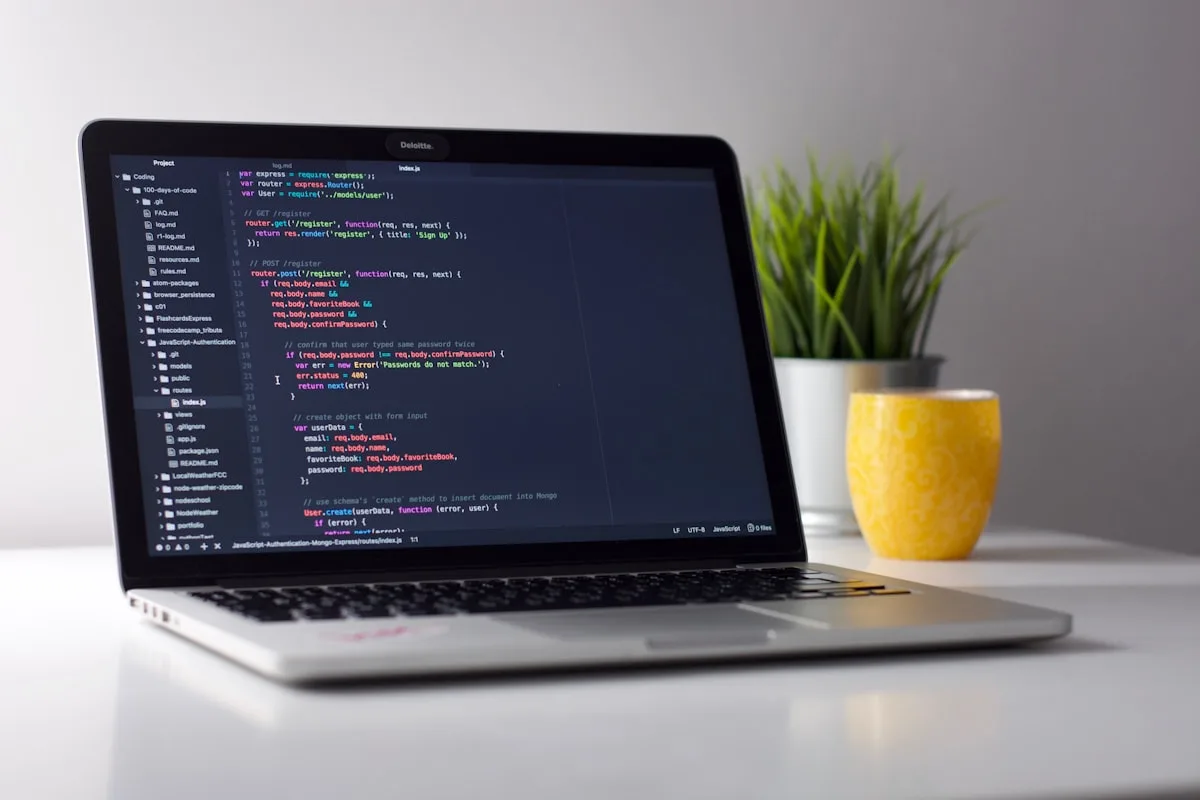
What you get: A basic template-based website, usually built on WordPress with a free or cheap theme. 5-7 pages. Stock images. Basic contact form. Shared hosting for a year.
Who builds it: Freelancers on platforms like Fiverr or Upwork, or a friend who "knows web design."
Suitable for: A personal portfolio, a very basic business presence, or a placeholder while you save for something better.
Limitations: Generic design, possibly slow, no SEO optimization, limited customization, and you'll likely need to redo it within a year as your business grows.
Rs 15,000-50,000: The small business standard
What you get: A properly designed WordPress website with a premium theme, customized to your brand. 8-15 pages. Decent mobile responsiveness. Basic SEO setup (meta tags, sitemap). Contact forms that work. Maybe a blog section. Hosting and domain for a year.
Who builds it: Experienced freelancers or small agencies.
Suitable for: Local service businesses, small shops, restaurants, clinics, coaching institutes. Most small businesses in India should be spending in this range.
At this price point, expect the designer to understand your business, create custom layouts (not just install a theme), and deliver something you're genuinely proud to share.
Rs 50,000-2 lakh: The growth-stage website
What you get: Custom design tailored to your brand identity. Professional copywriting. Advanced functionality — booking systems, payment integration, CRM integration, membership areas. Thorough SEO setup. Speed optimization. Professional photography direction or coordination.
Who builds it: Established agencies or senior freelancers with portfolios.
Suitable for: Growing businesses that rely on their website for lead generation, e-commerce businesses, companies in competitive markets where first impressions matter.
This is where you start seeing real return on investment. A Rs 1 lakh website that generates 20 leads per month at Rs 500 each pays for itself in a few months.
Rs 2-10 lakh: The custom build
What you get: Fully custom-coded website (not template-based). Unique design system. Complex functionality — custom web applications, advanced e-commerce, multi-language support, API integrations. Performance optimized for speed and scalability. Comprehensive SEO architecture.
Who builds it: Established agencies or development studios.
Suitable for: Businesses where the website IS the product (SaaS, marketplaces), large e-commerce operations, companies with complex requirements that templates can't handle.
Hidden costs people forget
Domain registration: Rs 500-1,500/year for a .com domain.
Hosting: Rs 2,000-15,000/year depending on quality. Cheap hosting causes slow speeds and downtime. Budget at least Rs 5,000/year for decent hosting.
SSL certificate: Usually free with hosting (Let's Encrypt), but some hosts charge Rs 1,000-5,000/year. Essential — Google marks sites without SSL as "Not Secure."
Email setup: Professional email (you@yourbusiness.com) costs Rs 1,500-6,000/year through Google Workspace or similar.
Ongoing maintenance: WordPress needs updates, backups, and occasional fixes. Budget Rs 2,000-10,000/month for maintenance, or be prepared to handle it yourself.
Content updates: Photos, blog posts, new service pages — someone needs to create and upload this. Either you do it, your team does it, or you pay your developer Rs 500-2,000 per update.
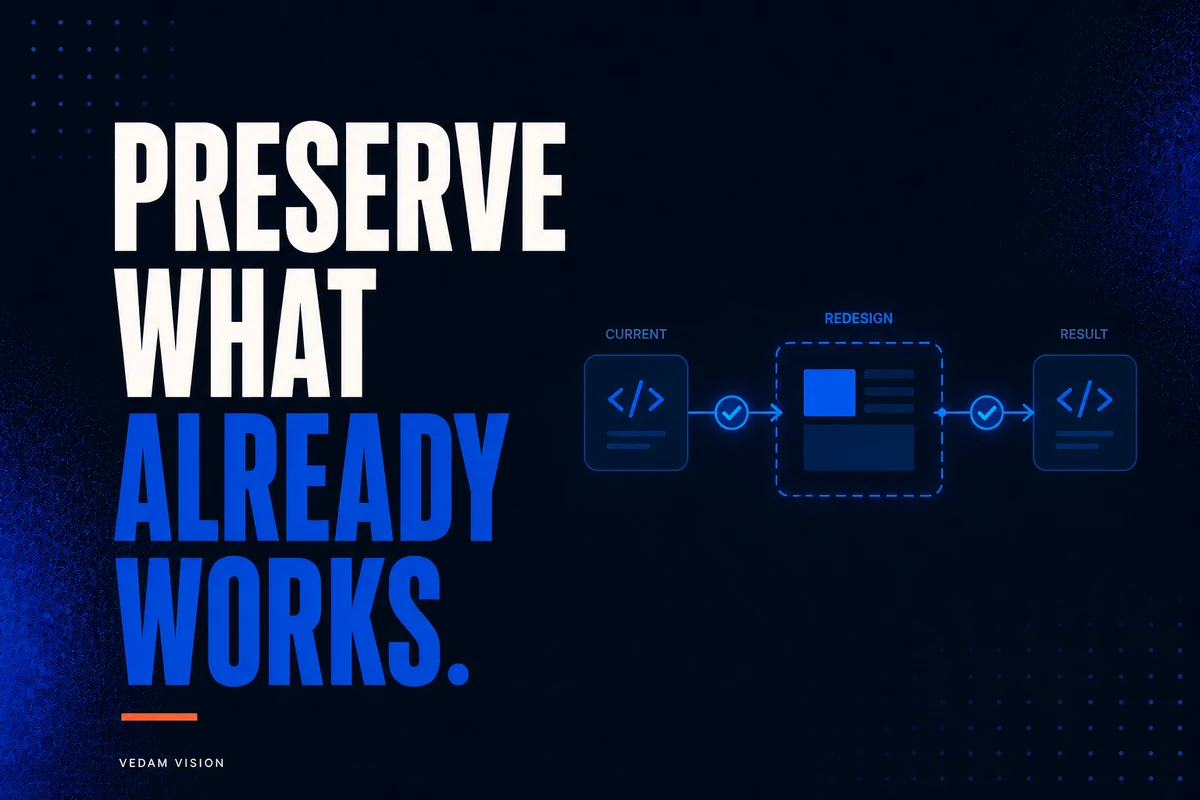
Redesign every 3-4 years: Websites age. Plan to refresh or rebuild every 3-4 years. Budget for it in advance rather than letting your site become embarrassingly outdated.
How to get good value
Get multiple quotes. Three minimum. Compare not just price but what's included — some quotes include copywriting and SEO setup, others don't.
Look at the developer's portfolio on your phone. Not on desktop — on your actual phone. If their previous work doesn't look good on mobile, yours won't either.
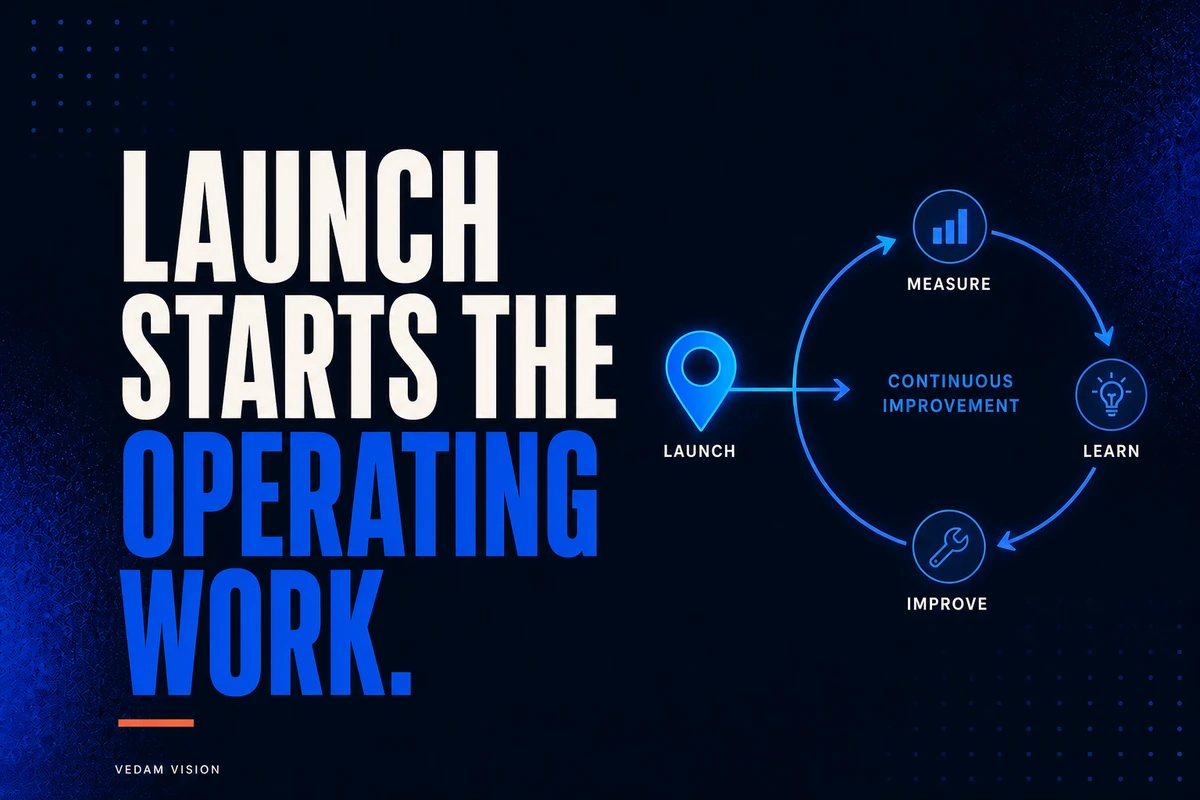
Ask about post-launch support. What happens when something breaks? Is training included so you can update content yourself?
Don't pay everything upfront. A standard payment structure is 30-50% upfront, remainder on completion. This protects both parties.
Your website is the foundation of your digital presence. Underspending here while overspending on ads is like running a sports car on cheap fuel — technically it works, but you're not getting what you could.
Website Cost Guide for Indian Businesses (2026)
| Website Type | Budget Range | Timeline | Best For |
|---|---|---|---|
| Template/DIY (Wix, Squarespace) | Rs 5,000-15,000/year | 1-2 weeks | Personal brands, very early stage |
| WordPress (template) | Rs 20,000-50,000 | 2-4 weeks | Small service businesses |
| WordPress (custom) | Rs 50,000-1,50,000 | 4-8 weeks | Growing businesses, e-commerce |
| Custom development | Rs 1,50,000-10,00,000+ | 2-6 months | Complex platforms, enterprises |
Frequently Asked Questions
FAQ
What is the minimum budget for a professional business website in India?
A professionally designed business website with 5-8 pages, mobile optimization, and basic SEO setup typically starts at Rs 25,000-35,000 from a reputable agency. Template-based options can be built for less, but the design and technical quality will reflect the investment. For a website that drives real business results, budget Rs 40,000-80,000 as a starting range.
Should I pay monthly or one-time for my website?
Domain and hosting are annual recurring costs (Rs 2,000-8,000/year). Design and development are typically one-time projects. Maintenance retainers (updates, security, minor changes) range from Rs 3,000-15,000/month depending on scope. Avoid monthly plans for design work unless the contract clearly defines deliverables and exit terms.
What should I watch out for when hiring a web design agency?
Red flags: vague scope with no itemized deliverables, demanding full payment upfront, no portfolio of completed projects, unclear ownership of domain and hosting accounts. Green flags: clear contract with milestones, payment tied to deliverables, portfolio with real live websites, transparent communication about timeline and process.