Why Your Website Needs a Redesign Every 2-3 Years
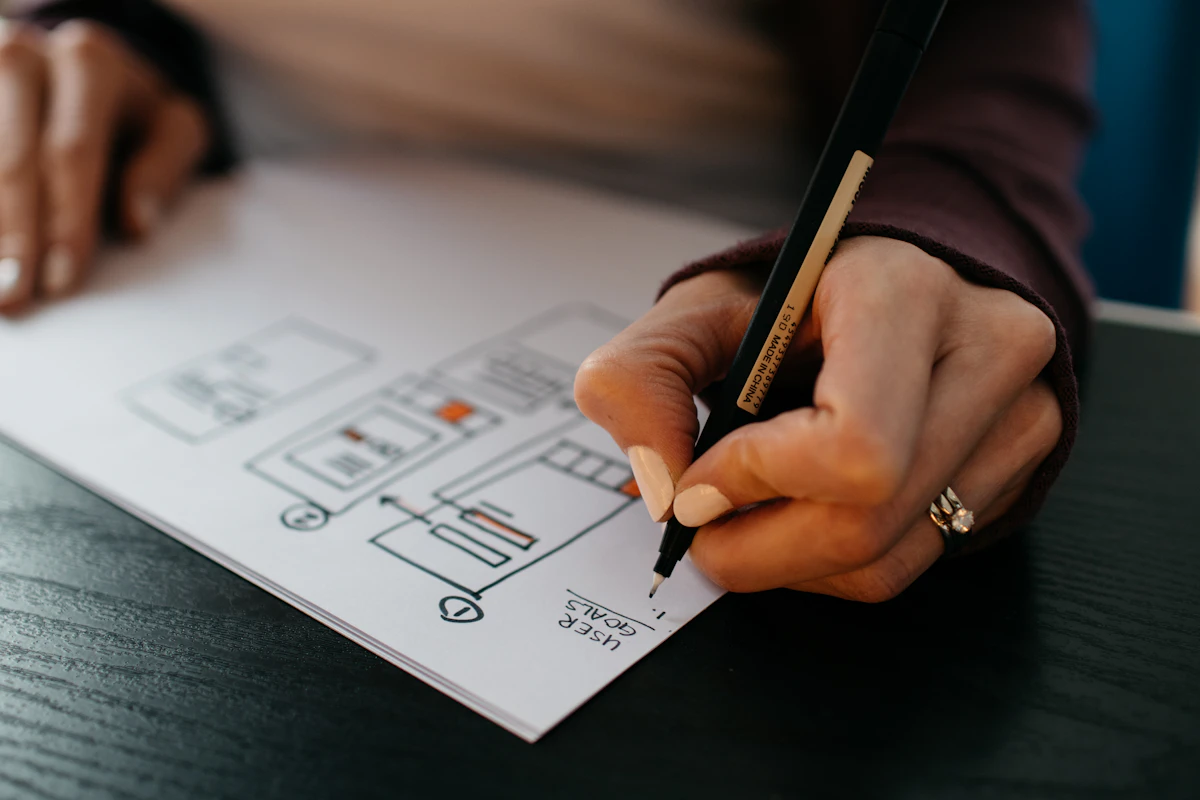
Most business owners treat their website as a one-time project: design it, launch it, and move on. Three years later, the website looks dated, performs poorly on mobile, doesn't match the current brand, and converts at a fraction of what a modern site would. But the business is busy, and a redesign feels expensive and complex.
This is a costly mistake. Your website is your most important digital asset. A website that worked well in 2021 is likely underperforming in 2024 — not because it was bad, but because web standards, user expectations, and technology have moved forward.
Why Websites Age Faster Than Most Business Assets
Unlike a business card or printed brochure, your website is measured against a constantly moving benchmark:
- Browser and device evolution: New phones, new screen sizes, and new browser capabilities change what "modern" looks and feels like
- User expectation shifts: What felt fast and intuitive in 2020 feels slow and clunky in 2024
- Google algorithm changes: Core Web Vitals, mobile-first indexing, and page experience signals didn't exist three years ago
- Competitive movement: Your competitors' websites improve over time — your 2021 website is being compared against their 2024 redesign
- Platform security: Outdated CMS versions and plugins accumulate security vulnerabilities
Signs Your Website Needs a Redesign
| Signal | What It Means | Urgency |
|---|---|---|
| Bounce rate above 65% | Visitors aren't finding what they need quickly | High |
| Mobile load time over 3 seconds | Losing majority of mobile visitors before they engage | High |
| Google PageSpeed score below 50 | SEO rankings and UX both suffering | High |
| Not mobile-responsive | Unusable on phones — most of your visitors | Critical |
| Conversion rate declining year-over-year | Page design or messaging not converting effectively | High |
| Brand visual identity has changed | Website doesn't represent current positioning | Medium |
| Content is outdated | Services, team, pricing no longer accurate | High |
| No SSL certificate | Security warning on browser + Google ranking penalty | Critical |
| Platform/CMS out of date | Security vulnerabilities and compatibility issues | High |
The Business Cost of an Outdated Website
Business owners often delay redesigns because they feel like a cost. But an underperforming website has a measurable ongoing cost:
- Lost conversions: If your site converts at 1% and a modern redesign brings it to 3%, on 1,000 monthly visitors that's 20 additional leads per month — every month, indefinitely
- Lost SEO traffic: Poor Core Web Vitals directly reduce search rankings, costing organic traffic continuously
- Damaged credibility: Prospects judge business quality by website quality — an outdated site signals an outdated business
- Higher acquisition costs: More spending needed on ads to compensate for poor organic performance and lower conversion rates
What Should Be Updated in a Redesign
Design and User Experience
- Modern, clean visual design aligned to current brand identity
- Mobile-first layout with touch-friendly interactions
- Simplified navigation (fewer choices, clearer paths)
- Updated photography and visual assets
- Clear conversion paths — every page should know what action it's optimized for
Performance
- Core Web Vitals compliance (LCP under 2.5s, CLS under 0.1)
- Image optimization (WebP format, lazy loading)
- Modern hosting and CDN setup
- Updated CMS and plugins
Content and SEO
- Content refresh — updated services, team, pricing, testimonials
- SEO-optimized page titles and meta descriptions for every page
- Schema markup implementation
- Blog/content section for ongoing SEO investment
- New service/landing pages for current offerings
Redesign vs. Incremental Updates: When to Do Which
Not every website issue requires a full redesign:
- Content updates: Always, on an ongoing basis — this is maintenance, not redesign
- Performance fixes: Image optimization, caching, plugin updates — can be done without redesign
- Landing page testing: A/B test key pages without rebuilding the whole site
- Full redesign triggers: Outdated visual design, platform migration, major brand change, or fundamental UX problems that require structural changes
Frequently Asked Questions
FAQ
How much does a website redesign typically cost for a small business in India?
A professional website redesign for a small business (5-10 pages, mobile-optimized, SEO-ready) typically costs ₹30,000–1,00,000 depending on complexity, agency quality, and specific features needed. E-commerce redesigns and complex sites with custom functionality cost more. This investment should be evaluated against the ongoing cost of an underperforming website — even a modest improvement in conversion rate from better design typically pays back the investment within 6-12 months in additional leads or sales.
Should I rebuild my website from scratch or just update my current theme?
Updating the current theme is faster and cheaper but may not address fundamental structural problems if they exist. A full rebuild is necessary when: the current platform or CMS is too limiting, the site architecture needs to change significantly, the current site has accumulated too many performance-degrading compromises, or a major brand/positioning change requires starting fresh. If your current site is structurally sound but visually outdated, a theme update may be sufficient. Have a developer audit your current site before deciding — the diagnosis informs the appropriate treatment.
How do I avoid losing SEO rankings during a website redesign?
This is critical to get right. Key steps: (1) Document all current URLs before redesign, (2) Set up 301 redirects from every old URL to the new equivalent — this transfers link equity and prevents 404 errors for indexed pages, (3) Maintain or improve page titles, meta descriptions, and heading structures, (4) Submit the new sitemap to Google Search Console immediately after launch, (5) Monitor GSC Coverage report for new crawl errors in the weeks after launch. A redesign without proper redirects can lose 30-60% of organic traffic in the first 3 months.
What should I prioritize first when I can't afford a full redesign right now?
In order of impact: (1) Fix critical performance issues — image compression and basic speed optimization can be done without a redesign and produce immediate SEO benefit, (2) Update content — stale content and outdated contact information should be fixed immediately, (3) Ensure SSL is active and mobile responsiveness is functional, (4) Improve your most important conversion pages (homepage and primary service pages) as a partial project before a full redesign. These targeted improvements buy time while you plan the full redesign budget.
How do I evaluate if a web design agency will build a site that performs well, not just looks good?
Ask specifically: What is your process for performance optimization? How do you measure success after launch? Can you share before/after Google PageSpeed scores from recent projects? Do you implement SEO foundations during build or leave that as a separate scope? Agencies that optimize purely for aesthetics without performance and SEO foundations create beautiful sites that don't rank or convert. The best web design agencies see performance and SEO as integral to the design process, not as add-ons.